
The Allure of Color and Sound
Casinos are meticulously designed environments where vibrant colors and carefully selected sounds play a crucial role in engaging players. The use of bright colors like red and gold is not arbitrary; these hues evoke feelings of luxury and excitement, tempting players to immerse themselves in the gaming experience, especially when they enjoy games like payid pokies that add to the thrill. By creating an atmosphere that feels celebratory and alive, casinos can manipulate the passage of time, making it easy for patrons to lose track of how long they have been playing. This sensory overload is deliberate, aimed at keeping players engaged and entertained.
The auditory landscape of a casino is equally important. Sounds such as the clinking of coins, the ringing of slot machines, and upbeat music are strategically utilized to create a festive atmosphere. These auditory cues are designed to reinforce a sense of winning, even when players may not be achieving actual victories. The psychological association between these sounds and positive outcomes can lead players to continue betting, as they subconsciously link the auditory experience to success. This blend of visual and auditory stimuli ensures that players remain captivated, leading to extended gaming sessions.
Lighting is another critical element that shapes the casino experience. Soft, warm lighting can create a sense of comfort, while strategically placed bright lights draw attention to winning machines or tables, enhancing the overall excitement of the environment. By controlling the lighting, casinos can influence mood and behavior, encouraging players to stay longer and spend more. The overarching goal of these sensory strategies is to create a euphoric state, where players feel a rush of excitement that keeps them engaged in the gaming process for hours on end.
The Illusion of Control
One of the most powerful psychological tactics employed by casinos is the illusion of control, which gives players a false sense of agency over the outcomes of games. Many players believe that their choices, such as selecting numbers in a lottery or employing specific betting strategies, can influence the results. This belief can significantly enhance a player’s confidence and engagement, leading them to continue playing even in the face of randomness inherent in games. The more players feel they can control the game, the more likely they are to invest time and money.
This illusion is particularly prevalent in skill-based games like poker, where players often feel their decisions can substantially impact their chances of winning. By fostering this mindset, casinos create an environment where players may overlook the house edge, as their focus shifts to their perceived skills and strategies. The layout of the casino itself can amplify this illusion; for instance, slot machines are often designed to be user-friendly, making players feel as though they have more control than they actually do. This psychological trickery is essential for casinos, as it keeps players engaged and betting longer.

Furthermore, the environment within a casino is crafted to maintain this illusion. Players are often surrounded by others who are actively participating, which creates a social dynamic that reinforces the belief that success is attainable. When players see others winning, it further fuels their belief in their own potential for success. This combination of social proof and the illusion of control significantly contributes to the players’ willingness to continue gambling, ultimately leading to increased revenue for the casino.
The Power of Near Misses
Near misses are a central psychological tactic that casinos utilize to influence player behavior. A near miss occurs when a player comes close to winning but ultimately falls short, such as a slot machine displaying two matching symbols followed by a different one. This experience can evoke a strong emotional response, motivating players to continue trying in the belief that a win is just within reach. The anticipation generated by these near misses creates an addictive cycle of play, as players feel compelled to keep testing their luck.
Research indicates that near misses can be even more motivating than actual wins. Players often misinterpret these experiences, viewing them as successes rather than failures, which can lead to an increased desire to keep playing. This psychological effect reinforces the notion that a win is imminent, encouraging players to engage in more gaming sessions. Casinos capitalize on this phenomenon by designing machines that frequently deliver near misses, ensuring that players remain excited and determined to chase the elusive victory.
The impact of near misses extends beyond individual gaming sessions. Players may leave a casino with a lingering sense of hope, prompting them to return in search of that big win they believe is just around the corner. This cycle of behavior can be challenging to break, as the emotional high associated with near misses can overshadow the realities of gambling odds. Thus, casinos effectively use this psychological strategy to keep players engaged over extended periods, ultimately increasing their likelihood of spending more money.
Rewards and Loyalty Programs
Casinos invest heavily in rewards and loyalty programs designed to incentivize players to continue gambling. By offering points for every dollar spent, casinos create a structure that promotes ongoing play. Players start to view themselves as valuable customers, and the potential for earning free rewards or exclusive benefits becomes an enticing draw, encouraging them to stay at the gaming tables longer. These loyalty programs tap into the basic human desire for recognition and reward, driving engagement and spending.
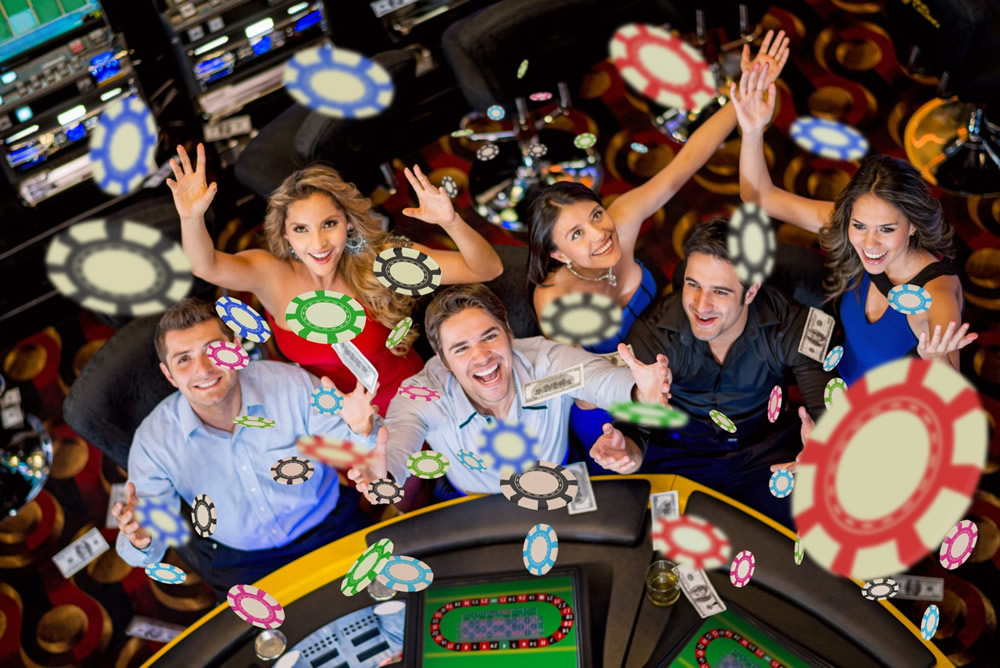
Typically, these programs feature tiered benefits that reward players for their level of spending. As players invest more, they unlock better rewards, which can foster a sense of accomplishment and status. This psychological principle—people’s inclination to engage in behaviors that yield recognition—helps to maintain player interest and commitment to the casino. The more players feel appreciated, the more likely they are to return and continue their gaming experiences.
Additionally, promotional events such as giveaways, complimentary meals, and exclusive access to entertainment further enhance the incentive to stay within the casino. These social experiences reinforce the value of loyalty, as players witness others enjoying the perks that come with continued engagement. By integrating these rewards into the gaming experience, casinos successfully ensure that players view their time spent as not just gambling, but as a rewarding and enjoyable experience overall.
Understanding the Casino Environment
Gaining insight into how casinos leverage psychological principles can empower players to make informed decisions about their gambling habits. The casino environment is designed to stimulate emotions and drive behaviors; recognizing these tactics can help individuals maintain a healthy relationship with gaming. By understanding the psychological strategies at play, players can develop personal strategies to manage their time and budget effectively, reducing the risk of impulsive decisions.
Being aware of the gaming atmosphere allows players to set reasonable limits and establish rules for themselves. For instance, they might decide to allocate a specific amount of time for their gaming sessions or adhere to a predetermined budget. This proactive approach can mitigate some of the psychological pressures that casinos create, allowing players to enjoy their experience without succumbing to the addictive aspects of gambling.
Moreover, educating oneself about the odds of various games is essential for fostering a more realistic view of gambling. Understanding that many games are ultimately based on chance can help players combat feelings of overconfidence that casinos often exploit. By grasping the realities of gambling, individuals can enjoy their experiences responsibly while remaining vigilant about the psychological influences that may lead them astray. Ultimately, knowledge is a powerful tool that can help players navigate the casino environment with greater awareness and control.